NEW YORK, BY TECHBISH NEWS
In one of the biggest consumer-goods mergers in recent years, Kimberly Clark announced plans to acquire Kenvue, the maker of Tylenol and Listerine, in a $48.7 billion cash-and-stock deal. The move is set to reshape the personal-care and health-products landscape, sending Kimberly Clark stock tumbling while kenvue stock surged as investors weighed the massive bet.
Market Shock and Investor Sentiment
The market’s reaction to the Kimberly Clark kenvue merger has been swift and divided.
Immediate Stock Movements
Following the announcement, Kenvue stock (KVUE) jumped more than 20 percent, reflecting investor excitement over the premium Kimberly Clark offered. In contrast, Kimberly Clark stock (KMB) fell roughly 15 percent as traders digested the debt load and potential integration costs tied to the acquisition. Analysts noted that while the short-term market reaction seems negative, the long-term vision behind the kenvue kimberly clark merger could deliver significant growth.
Market strategist Jonathan Hale told Reuters, “This is a defining moment for Kimberly-Clark. Investors are nervous now, but the company is positioning itself for the next decade of consumer-health dominance.”
Strategic Vision Behind the Deal
Kimberly Clark’s push to buy Kenvue signals a bold shift into high-growth health and wellness sectors.
Why Kimberly Clark Wanted Kenvue
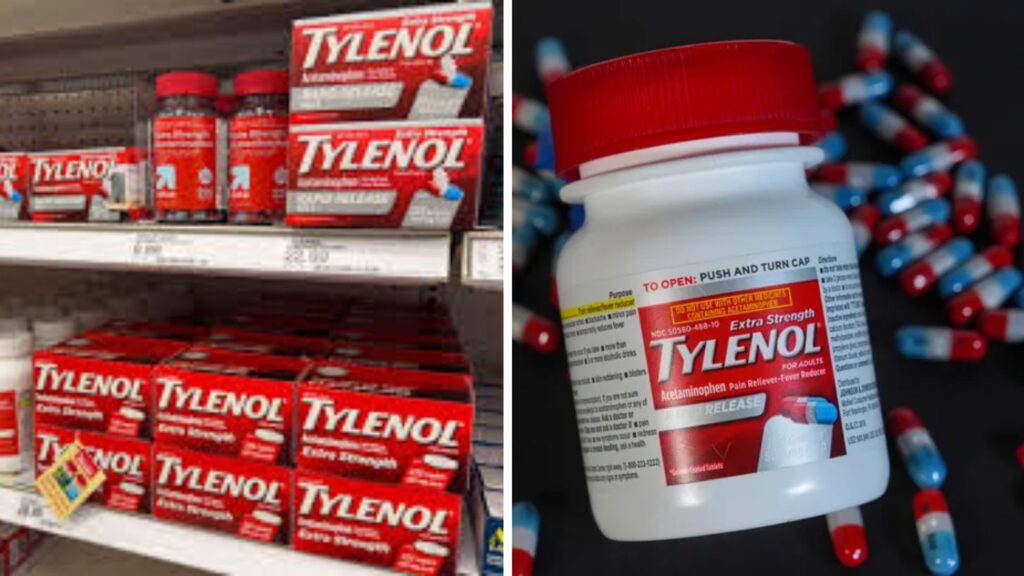
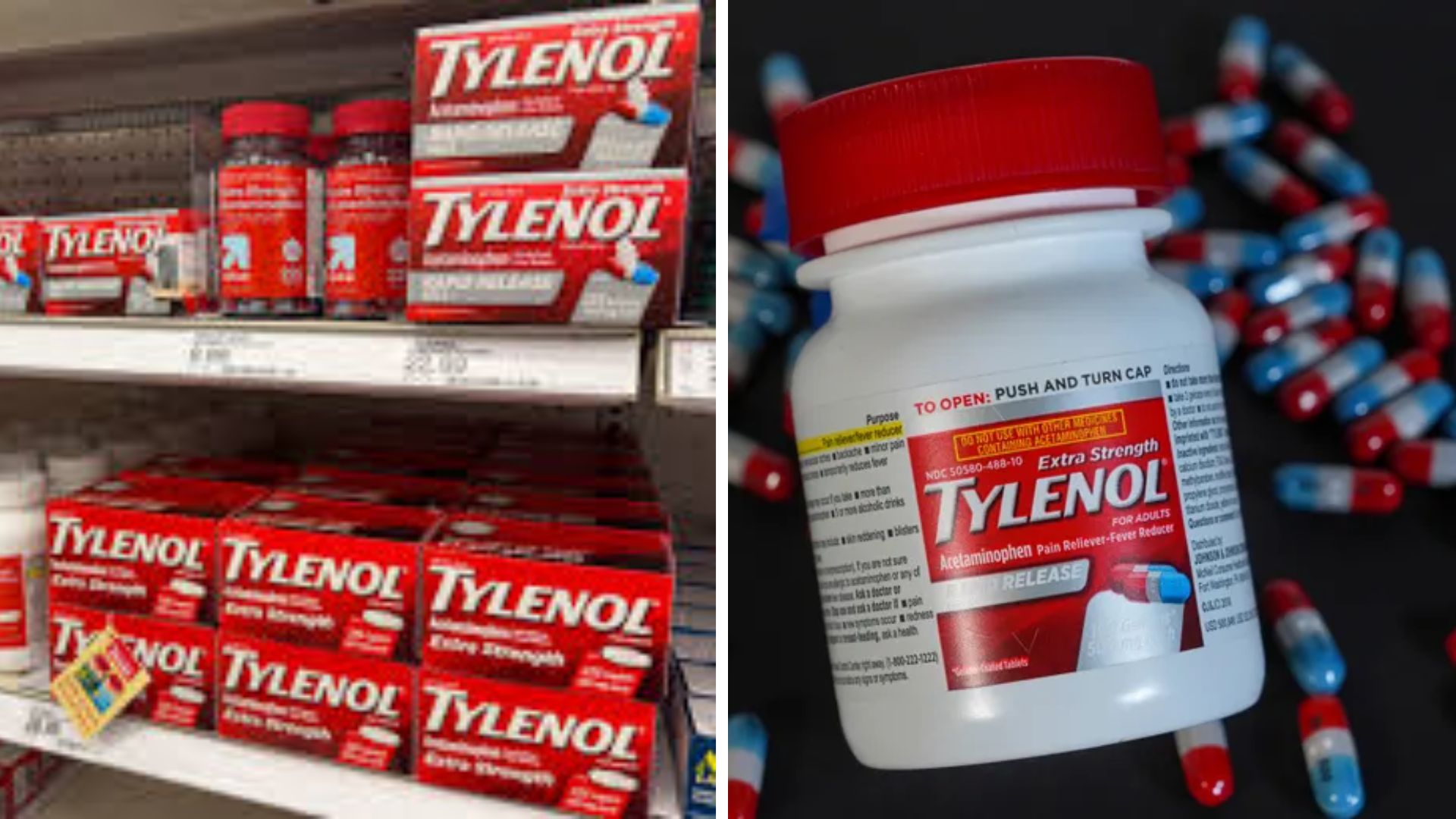
By acquiring Kenvue — home to brands like Tylenol, Band-Aid, Neutrogena, and Listerine — Kimberly Clark aims to move beyond paper goods and diapers into higher-margin consumer health. Executives said the deal would “elevate Kimberly-Clark’s global reach” and provide fresh momentum amid softening sales in core categories. The combined portfolio will make kimberly clark kenvue one of the largest consumer-health players in the world.
Kenvue, formerly part of Johnson & Johnson, brings a trusted lineup of household names that complements Kimberly-Clark’s existing power brands such as Huggies and Kleenex. Together, they create a $32 billion-a-year consumer empire with strong pricing power and diversified demand.
Expert Insights and Market Analysis
Analysts weigh in on what the deal means for shareholders and industry competition.
What Experts Are Saying
Market analysts say the deal could unlock up to $2 billion in annual cost synergies. According to Reuters, the acquisition may help Kimberly Clark offset slowing demand in tissue and baby-care products by entering categories with faster-growing revenue streams. However, the debt required to finance the $48.7 billion transaction may weigh on KMB stock in the near term.
“Kimberly-Clark has the operational expertise to integrate Kenvue’s health portfolio,” said Lydia Park, an equity analyst at Morningstar. “But the real question is whether the company can manage its debt effectively while keeping investors confident.”
Risks and Investor Caution
Despite optimism, several challenges could affect Kimberly Clark’s long-term success.
Legal and Financial Concerns
Kenvue is still dealing with product-liability litigation tied to Tylenol and past talc-related claims. These issues could expose kimberly clark kenvue to legal risks that weigh on future earnings. Additionally, taking on billions in new debt raises concerns about cash flow and dividend sustainability — key factors for long-term kimberly clark stock investors.
Financial experts warn that integration complexity and overlapping operations could strain resources. With both companies managing massive product lines across global markets, successful execution will determine whether this merger becomes a triumph or a costly experiment.
Outlook for Investors and the Market
This historic deal could reshape the consumer-goods sector if managed strategically.
What Happens Next
Over the coming quarters, investors will monitor synergy progress, debt reduction, and brand integration. If the merged company delivers on cost-savings targets, Kenvue stock could remain strong, while KMB stock may recover once markets gain confidence in the merger’s execution.
Long-term, the Kimberly-Clark and Kenvue union has the potential to redefine the health-and-hygiene industry, bringing everyday brands like Tylenol, Huggies, and Kleenex under one global banner. Still, analysts caution that patience will be essential as both companies navigate regulatory reviews and complex integration phases.
Closing Discussion
The Kimberly Clark Kenvue buyout marks a seismic shift in the consumer-brands landscape — one that blends stability with ambition. Investors are split between skepticism and optimism, but the deal undeniably positions Kimberly-Clark for a new era of growth.
Whether this $48.7 billion bet becomes a masterstroke or a cautionary tale will depend on execution, leadership, and investor trust. What’s your take — will Kimberly Clark stock rebound stronger, or has it stretched too far? Share your thoughts and join the discussion below.