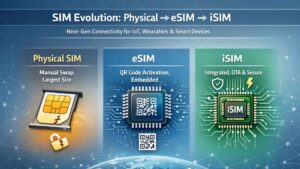

In 2026, the landscape of mobile connectivity is rapidly shifting — and one of the biggest signs of that transformation is the migration away from traditional physical SIM cards toward embedded SIM (eSIM) technology. Gone are the days of struggling with tiny SIM trays, incorrect sizes, or waiting for carrier shipments. Today’s consumers, especially in markets like the USA, UK, and Europe, prioritize instant carrier activation, multi‑profile flexibility, and seamless global roaming — all features inherent to eSIM. As mobile networks evolve and device ecosystems become more interconnected, eSIM adoption is no longer just a convenience — it’s becoming the standard for modern digital connectivity. This article explains not only what eSIM is but why it’s overtaking physical SIMs, how industry economics, behavioral patterns, regulatory frameworks, and future technologies like iSIM are accelerating this shift, and what it means for consumers and enterprises worldwide.
In This Article
ToggleThe Limitations of Physical SIM Cards
Before we explore why eSIMs are gaining ground, it’s important to understand the inherent limitations of physical SIM cards — limitations that modern users increasingly find unacceptable. From cumbersome installation and roaming costs to environmental and logistics challenges, physical SIMs are stuck in a past where connectivity was hardware‑centric rather than software‑driven. As mobile connectivity expectations evolve around flexibility and instant provisioning, the physical SIM model struggles to keep pace.
Installation Hassles and Device Restrictions
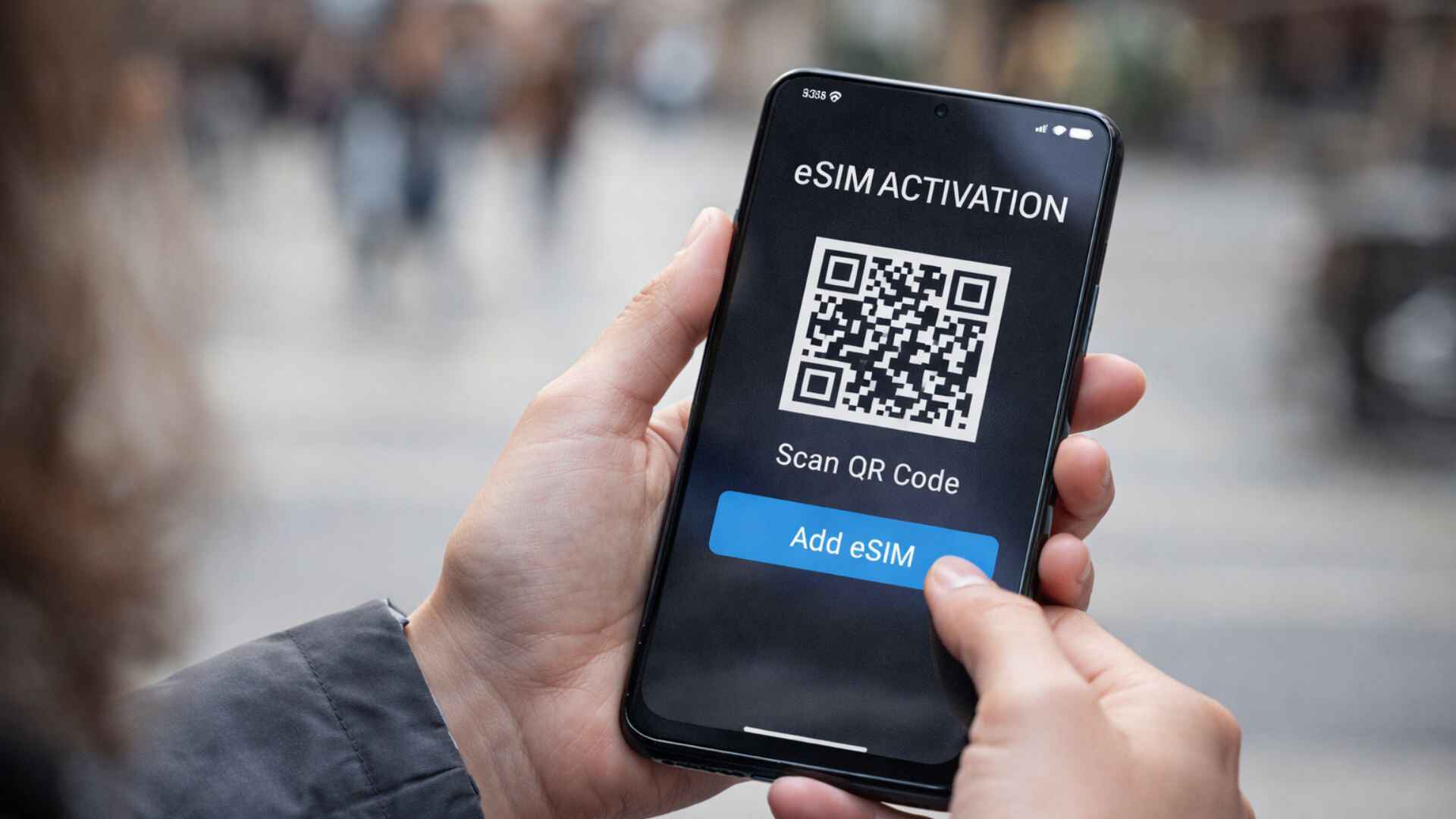
For years, inserting a physical SIM card was part of the standard smartphone setup — from identifying the correct SIM size (nano, micro, standard) to using a tiny eject pin that was always easy to lose. This process creates unnecessary friction, especially compared to eSIM activation, which leverages QR code provisioning or carrier apps for instant setup. With eSIMs, users can add or switch carrier profiles without removing or replacing hardware.
This transition from tactile to digital identity is a foundational part of the move toward software‑defined mobile connectivity.
Travel and Roaming Barriers
International travel has long exposed the weaknesses of physical SIMs. Travelers often faced expensive roaming fees, multiple SIM purchases, and awkward profile transfers. With eSIM, users can preload multiple carrier profiles on their devices, switch plans remotely, and avoid costly roaming charges — all without swapping physical cards. In fact, by 2030, up to 41% of North American travelers are expected to rely on eSIM travel plans for cross‑border connectivity, according to industry forecasts. These trends reflect a broader demand for multi‑network connectivity and international roaming alternatives without logistical overhead.
Environmental and Economic Costs
While physical SIM cards might seem trivial, their manufacturing, packaging, and distribution contribute to plastic waste and carbon emissions. In contrast, eSIMs eliminate this entire supply chain. The environmental benefits of digital profiles align with global efforts to reduce waste and promote sustainable mobile technology. Beyond sustainability, carriers benefit from reduced inventory management and logistics costs — a win for both operators and the planet.
Comparison: Physical SIM vs eSIM
| Feature | Physical SIM | eSIM |
|---|---|---|
| Installation | Manual insertion required | Digital activation via app/QR |
| Multi‑profile | Limited or none | Multiple carrier profiles |
| Roaming Costs | Often expensive | Low‑cost, instant switching |
| Environmental Impact | Plastic & packaging waste | Digital & eco‑friendly |
| Carrier Provisioning | Physical inventory | Remote SIM provisioning |
How eSIM Is Shaping the Mobile Industry
As the mobile industry evolves, eSIMs are not just a feature — they’re transforming core business models for carriers, manufacturers, and enterprises. The digital provisioning capability enables instant activation, streamlined operations, and novel service offerings that were impossible in the physical SIM era. Below we explore how carriers and device makers are driving this transition.
Instant Activation and Multi‑Profile Flexibility
One of eSIM’s strongest advantages is carrier profile agility. Modern eSIM‑enabled devices — from Apple iPhone 17 series to Google Pixel 10 and beyond — support multiple profiles that can be activated and switched at any time. Instead of physically changing SIMs, users can add, remove, or reorder profiles through settings. This flexibility aligns perfectly with digital mobile plans and subscription‑centric user expectations, allowing users to instantly switch carriers without hardware changes.
Reducing Operational Costs for Carriers
Physical SIM distribution comes with hidden costs: inventory, shipping, returns, and in‑store support. Carriers adopting eSIM save up to 30–40% on operational overhead by eliminating physical distribution chains. Remote provisioning means carriers can push updates, manage profiles, and scale services without logistics — drastically lowering telecom operational costs. These savings often translate into more competitive pricing for consumers as well.
Shifting Power from Carriers to Consumers
Physical SIMs historically gave carriers strict control over subscriptions. With eSIMs, users regain that control. Consumer empowerment now includes immediate carrier switching, temporary travel plans, and nested profiles for different needs. Over time, carriers have adapted by offering flexible subscription tiers, digital onboarding, and app‑based self‑service, reshaping the competitive landscape of mobile providers.
Enterprise and IoT Deployment at Scale
For enterprises, eSIMs enable remote device management and large‑scale deployment across locations and regions. Instead of manually provisioning SIM cards in thousands of IoT devices, businesses can remotely assign and manage eSIM profiles. This capability is especially valuable in industrial, logistics, and smart infrastructure sectors where ease of provisioning and reliability are essential.
Regulatory & Compliance Drivers for eSIM Adoption
As eSIM technology matures, regulatory frameworks are playing a significant role in adoption. Governments and telecom authorities are aligning policies to encourage digital provisioning, streamlined billing, and enhanced subscriber verification, which together reduce fraud risk and promote secure connectivity.
Global Legislative Push for eSIM
In markets like the European Union, digital identity initiatives are integrating eSIM standards into broader electronic verification policies. This accelerates adoption by aligning mobile profiles with secure digital identities — especially important in mobile network scalability and global roaming compliance. Certain regions are mandating eSIM support in new devices to ensure interoperability and consumer protection.
Compliance and Emergency Service Access
Mobile subscribers rely on SIM profiles for emergency location and identity verification. Regulators in the US, EU, and many APAC countries now require robust SIM registration systems, which are more efficiently implemented with eSIM technology. This not only improves public safety but also enhances traceability and accountability across networks.
Why eSIM Is More Secure Than Physical SIMs in the Real World
Security is one domain where eSIMs shine beyond marketing claims. While physical SIM removal or cloning opens doors to unauthorized access, eSIM’s architecture includes embedded secure elements and cryptographic protections that significantly reduce vulnerabilities.
Built‑in Security Elements
eSIM profiles are digitally bound to a device’s secure hardware — making them resistant to common threats like cloning and unauthorized duplication. For digital identity management and enterprise mobility security, this means fewer attack vectors and higher trust in mobile identity integrity.
Fraud Prevention and Cybersecurity
Even with remote provisioning, safeguards such as device‑tied authentication, multi‑factor carrier verification, and secure network handshakes reduce exposure to SIM swap scams and similar fraud attacks. As mobile banking, authentication apps, and IoT controls become more widespread, this added layer of security becomes essential.
Consumer Behavior and Market Dynamics
Consumer trends now prioritise convenience, control, and digital autonomy. These behavioral shifts are feeding directly into eSIM adoption.
Instant Gratification and Subscription Mindset
Modern mobile users expect instant service without waiting. Whether activating a new plan or switching providers, eSIM delivers a smoother experience. This aligns with broader trends toward subscription services and app‑based management — preferences found particularly among younger demographics and frequent travelers.
Travelers and Digital Natives Leading Adoption
Globally, travelers and tech‑savvy users are often fastest to adopt eSIM, because it eliminates the hassles of physical cards and roaming setups. With multi‑network connectivity and localized plans downloadable on the go, eSIM has become the standard choice for international mobility — a trend reflected in adoption data across North America and Europe.
Why Physical SIMs Still Exist in Some Regions
Even as eSIM adoption accelerates, physical SIMs remain prevalent in specific scenarios. This coexistence reflects economic, regulatory, and technological realities rather than a rejection of innovation.
Budget Devices and Older Hardware
Lower‑cost smartphones and legacy hardware often continue to use physical SIM slots because eSIM licensing and certification increase device complexity and cost. This keeps SIM trays relevant in certain markets, especially in price‑sensitive regions.
Regional Legislation & Carrier Policies
Not all carriers or regulators have fully embraced eSIM. In some APAC and MENA countries, local telecom policies or infrastructure limitations have delayed full eSIM deployment. These constraints reinforce the continued presence of physical SIM sockets in many consumer devices.
Industrial IoT and Hybrid Models
Some industrial IoT devices operate in rugged environments where physical durability matters more than remote activation. As a result, hybrid connectivity solutions integrate both eSIM and traditional SIM profiles to balance flexibility with resilience.
From Physical SIM to eSIM to iSIM: What Comes Next
Looking beyond eSIM, the next evolution in connectivity is already emerging: iSIM (Integrated SIM) technology and software‑defined connectivity.
iSIM Technology and Integrated Connectivity
iSIM embeds mobile identity directly into a device’s chipset, further reducing dependence on separate hardware modules. This streamlines device design, improves energy efficiency, and supports future forms of always‑connected devices.
No‑SIM Identity Separation: Connectivity as a Service
As connectivity becomes increasingly abstracted from physical hardware, future systems may tie connection profiles to user or cloud identities — enabling seamless switchovers across phones, wearables, and automotive or smart home ecosystems.
Industry Outlook and Emerging Trends
Standards bodies like GSMA are already exploring next‑generation SIM frameworks that enhance interoperability across carriers and regions. These advances will be especially critical as networks prepare for 6G and beyond, further pushing the mobile industry into software‑defined, carrier‑agnostic connectivity models.
Conclusion
The transition from physical SIM cards to eSIM technology represents one of the most pivotal changes in mobile connectivity history. Driven by consumer expectations, enterprise scalability, carrier economics, and regulatory modernization, eSIMs are redefining how devices connect — not just in the USA and Europe, but globally. While physical SIMs will continue to exist in select use cases for a time, the future clearly favors digital, secure, and flexible connectivity that aligns with modern digital lifestyles and global roaming demands. As we continue through 2026 and beyond, understanding and embracing this shift will be key for consumers, enterprises, and network operators alike.